

Gipfeli, the Swiss cousin of the French croissant, is a buttery, crescent-shaped pastry enjoyed across Switzerland. While it resembles a croissant, it’s less flaky and has a denser, bread-like texture, making it perfect for breakfast or an afternoon snack. In this recipe, we’ll walk you through the steps to make this beloved Swiss pastry at home.

Swiss Butter Gipfeli Recipe (Croissant-Style Pastry)
12
Gipfeli20
minutes25
minutes289
kcal45
minutesKeep the screen of your device on
Ingredients
- Dough:
500 g 4 cup all-purpose flour
2 teaspoons 2 teaspoons active dry yeast
250 ml 1 cup warm milk
60 g 5 tbsp sugar
1 teaspoon 1 teaspoon salt
1 1 egg
100 g 7 tbsp unsalted butter, softened
- Butter Layer:
250 g 1 cup cold unsalted butter, sliced thinly
- Egg Wash:
1 1 egg yolk
tablespoon milk
Equipment
 Rolling pin
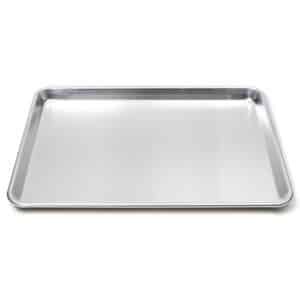
- Baking tray
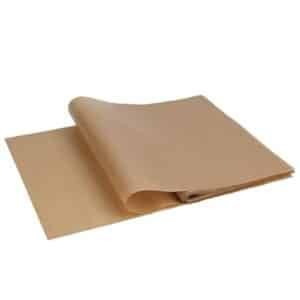
- Parchment paper
- Pastry brush
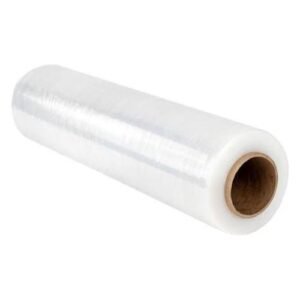
- Plastic wrap


Directions
- Prepare the Dough:
- In a small bowl, dissolve the yeast and sugar in the warm milk. Let it sit for 5-10 minutes until it becomes frothy.
- In a large mixing bowl, combine flour and salt. Add the yeast mixture, egg, and softened butter.
- Mix the ingredients until a dough forms, then knead the dough for about 8-10 minutes until smooth and elastic.
- Cover the bowl with a damp cloth or plastic wrap and let it rise in a warm place for about 1 hour, or until doubled in size.
- Prepare the Butter Layer:
- Place the cold butter slices between two pieces of parchment paper. Use a rolling pin to gently flatten the butter into a thin, rectangular sheet, about 1 cm (1/3 inch) thick.
- Keep the butter sheet chilled in the refrigerator while the dough rises.
- Incorporate the Butter:
- Once the dough has doubled in size, punch it down and roll it out on a floured surface into a large rectangle, approximately 40×20 cm (16×8 inches).
- Place the cold butter sheet in the center of the dough, fold the sides of the dough over the butter to fully encase it, and seal the edges.
- Rolling and Folding (Lamination Process):
- Roll the dough into a long rectangle, about 60×20 cm (24×8 inches).
- Fold the dough into thirds (like folding a letter). Turn the dough 90 degrees, roll it out again, and repeat the folding process two more times.
- Wrap the dough in plastic wrap and refrigerate it for at least 30 minutes.
- Shape the Gipfeli:
- After chilling, roll the dough out into a large circle or rectangle, about 0.5 cm (1/4 inch) thick.
- Using a sharp knife or pizza cutter, cut the dough into triangles, each with a base of about 10 cm (4 inches).
- Gently roll each triangle from the base to the tip, forming a crescent shape. Place the shaped Gipfeli onto a parchment-lined baking tray.
- Second Rise:
- Cover the tray loosely with plastic wrap and let the Gipfeli rise for another 45 minutes in a warm spot.
- Bake:
- Preheat your oven to 200°C (400°F).
- Whisk together the egg yolk and milk to create an egg wash. Brush each Gipfeli with the egg wash for a golden, shiny finish.
- Bake for 20-25 minutes or until the Gipfeli are golden brown.
- Serve:
- Let the Gipfeli cool for a few minutes on a wire rack before serving. Enjoy them warm with butter, jam, or a cup of coffee!
Notes
- The butter should remain cold throughout the lamination process to ensure a light and flaky texture.
What is the difference between Gipfeli and a croissant?
Gipfeli is a Swiss version of the croissant, but it’s denser and less flaky. While croissants have more buttery, layered dough, Gipfeli is softer and more bread-like. Both are crescent-shaped, but the textures are distinct.
Can I make Gipfeli ahead of time?
Yes! You can prepare the dough the night before and let it rise in the refrigerator. The next morning, simply roll, shape, and bake them fresh for breakfast. You can also freeze the shaped Gipfeli before baking for later use.
How can I freeze Gipfeli?
To freeze, shape the Gipfeli as directed, place them on a tray to freeze individually, and then transfer them to a freezer bag. When you’re ready to bake, let them thaw and rise at room temperature before applying the egg wash and baking.
Why is my dough not rising?
If your dough doesn’t rise, the yeast may not be active. Ensure the milk is warm (but not too hot) when mixing with the yeast. If the yeast doesn’t foam after 5-10 minutes, it may be expired, and you’ll need to start with fresh yeast.
How do I ensure the butter stays cold during the rolling process?
Chill the butter thoroughly before incorporating it into the dough. If the butter starts melting during rolling and folding, refrigerate the dough between each fold to keep it firm and cold.
Can I use whole wheat or gluten-free flour for Gipfeli?
Whole wheat flour can be used, but it will make the Gipfeli denser. If you prefer a lighter texture, mix whole wheat flour with all-purpose flour. Gluten-free flours may work, but results will vary depending on the brand and type used.
What can I serve with Gipfeli?
Gipfeli is versatile and can be enjoyed with butter, jam, Nutella, or even savory fillings like ham and cheese. They pair perfectly with coffee or tea for breakfast or an afternoon snack.
How long do Gipfeli stay fresh?
Gipfeli are best enjoyed fresh, but they can be stored in an airtight container at room temperature for up to 2 days. You can also reheat them in the oven to restore their softness and flavor.
Can I add fillings to Gipfeli?
Yes! While Gipfeli are traditionally plain, you can add fillings such as chocolate, jam, or cheese before rolling them into the crescent shape.
What is the ideal baking temperature and time?
Bake Gipfeli at 200°C (400°F) for 20-25 minutes, or until golden brown. Be sure to monitor them closely to avoid over-baking.
Can I use instant yeast instead of active dry yeast?
Yes, you can use instant yeast in place of active dry yeast. You don’t need to dissolve it in warm milk—just mix it directly with the flour. The rising time might be slightly shorter, so keep an eye on the dough.
Do I need a special type of butter for Gipfeli?
For the best results, use high-quality, unsalted butter with a high fat content (European-style butter is ideal). This will help create a rich and flavorful dough. Regular unsalted butter also works fine.
Why do I need to chill the dough between folds?
Chilling the dough between folds (during the lamination process) helps the butter stay solid, which creates the layers in the Gipfeli. If the dough gets too warm, the butter can melt into the dough, preventing the pastry from becoming light and airy.
How do I know when the dough is properly kneaded?
The dough is ready when it is smooth and elastic. You can test this by stretching a small piece of dough between your fingers. If it forms a thin, translucent “window” without tearing, it’s kneaded enough.
Can I make mini Gipfeli instead of full-sized ones?
Absolutely! To make mini Gipfeli, cut the dough into smaller triangles before rolling them into crescents. Be sure to adjust the baking time, as mini Gipfeli will likely need 15-18 minutes in the oven.
What’s the best way to store leftover Gipfeli dough?
If you want to store unused dough, wrap it tightly in plastic wrap and keep it in the refrigerator for up to 24 hours. For longer storage, freeze the dough, and thaw it in the fridge overnight before using.
Can I use a stand mixer to knead the dough?
Yes, a stand mixer with a dough hook attachment is great for kneading the Gipfeli dough. Mix the dough on medium speed for 8-10 minutes until it becomes smooth and elastic.



)