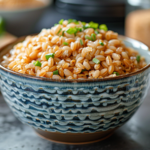
White rice needs 15 to 18 minutes, brown rice takes 40 to 50 minutes. That’s a massive gap, and the reason is simple: brown rice still wears its fibrous bran layer, the one that white rice sheds during milling. This protective shell is packed with nutrients but takes forever to soften. Here’s how to cook each type perfectly without guessing.
White Rice: 15 to 18 Minutes Total
For every cup of white rice, use 1.5 to 2 cups of water. The exact amount depends on your preference—less water gives you separate, fluffy grains, more water yields softer, stickier rice.
Bring the water to a boil in a medium saucepan. Add your rice, give it one quick stir, and let the water return to a boil. Immediately drop the heat to the lowest setting, cover tightly, and walk away. No peeking.
Simmer for 13 to 15 minutes. Your stove’s strength matters here—a weak burner might need 17 minutes. The water should be fully absorbed by the end, but don’t judge yet.
Turn off the heat and let the rice sit, still covered, for 10 minutes. This is not optional. During this rest, the grains finish cooking in their own steam, absorbing any remaining moisture without turning mushy. The texture transforms from damp and clumpy to light and separated.
After resting, fluff with a fork. You’ll see each grain distinct, not gummed together. That’s the sign you nailed it.
Brown Rice: 40 to 50 Minutes Total
Brown rice demands more water and more patience. Use 2 to 2.5 cups of water per cup of rice. The bran layer needs extra liquid to penetrate and soften.
Same drill as white rice: bring water to a boil, add rice, stir once, let it return to a boil. Drop to the lowest simmer and cover. Now the difference kicks in.
Simmer for 40 to 45 minutes. Do not lift the lid. Do not stir. The rice is slowly absorbing water while the tough outer layer gradually yields. Some varieties, especially basmati brown rice, cook faster—around 25 to 30 minutes. Long-grain brown rice is the slowest.
Turn off the heat and rest, covered, for 10 minutes. Same logic as white rice: the grains need this final steam to finish properly.
The Pasta Method for Brown Rice
If measuring water stresses you out, cook brown rice like pasta. Bring a large pot of water to a rolling boil—no measuring, just fill it like you’re making spaghetti. Add your rice, stir once, and boil uncovered for 30 minutes.
Taste a grain. It should be tender with just a hint of chew, not mushy. Drain in a strainer for 10 seconds, then return the rice to the pot off the heat. Cover tightly and let it steam for 10 minutes. This method is nearly foolproof and yields fluffy, separated grains every time.
Cooking Methods Comparison
| Method | White Rice | Brown Rice |
|---|---|---|
| Stovetop | 15 min simmer + 10 min rest | 40-45 min simmer + 10 min rest |
| Rice Cooker | 20-25 min total | 50-60 min total |
| Instant Pot | 3 min high pressure + 10 min natural release | 22-24 min high pressure + 10 min natural release |
| Oven (baked) | 35 min at 200°C | 75 min at 180°C |
| Pasta Method | Not recommended | 30 min boil + 10 min steam |
The Instant Pot dramatically cuts brown rice time but requires a different water ratio—1:1 instead of the usual 2:1. Rice cookers are hands-off but not necessarily faster, especially for brown rice.
Can You Cook White and Brown Rice Together?
No, not directly. If you dump them in the same pot at the same time, your white rice will disintegrate into porridge while the brown rice finishes. The timing mismatch is too extreme.
But there’s a workaround if you want a 50/50 mix. Soak the brown rice in cold water for 20 minutes before cooking. Drain it, then combine it with an equal amount of white rice. Cook as you normally would for white rice—simmer 15 to 18 minutes, rest 10 minutes.
The soaking softens the brown rice’s bran layer just enough to sync the cooking times. You won’t get perfectly cooked brown rice this way—it’ll be slightly softer than ideal, and the white rice will be a touch firmer. But if you’re transitioning your family from white to brown rice and need a compromise, this trick works.
Rinse both rices before mixing. Use a water ratio in the middle—about 1.75 cups of water per cup of mixed rice.
The Essential Rules for Perfect Rice
Don’t peek. Every time you lift the lid, steam escapes. That steam is what cooks the rice evenly. If you keep checking, the grains on top stay hard while the bottom layer turns to mush.
Don’t stir. Stirring activates the starch on the rice’s surface, creating a gluey, sticky mess. The only exception is the initial stir when you first add the rice to boiling water, just to separate any clumps.
Let it rest. The 10-minute rest after cooking is when the magic happens. The rice absorbs residual moisture, the texture evens out, and the grains firm up just enough to separate cleanly. Skip this, and you’ll have wet, sticky rice that clumps in the spoon.
Use the right pot size. Too large and the water evaporates too fast. Too small and the rice steams unevenly. For 1 cup of dry rice, a 1-quart pot is ideal. For 2 cups, go with a 2- to 3-quart pot.
Rinse or don’t rinse? For white rice, rinsing removes excess surface starch, which gives you fluffier, more separated grains. For brown rice, especially with the soaking or pasta methods, rinsing makes less difference. If you’re in a hurry, skip it.
How to Tell When Your Rice Is Done
Tilt the pot gently. If you see water pooling at the bottom, it’s not done—cover and cook another 2 to 4 minutes. If the surface looks dry and there’s no liquid when you tilt, you’re ready to rest.
Taste a grain from the center of the pot, not the edges. It should be tender all the way through with no hard, crunchy center. Brown rice should have a slight chew—that’s the bran layer, not undercooking.
If the water is absorbed but the rice is still crunchy, add 2 tablespoons of water per cup of rice, cover tightly, and cook on low for another 5 minutes. Then rest as usual.
If the rice is tender but there’s still water in the pot, take the lid off and let it simmer uncovered for a minute or two until the liquid evaporates. Then rest, covered.
Rice that’s slightly undercooked will finish during the rest. Rice that’s waterlogged won’t improve—you’ve added too much water or cooked it too gently. Next time, use less liquid or turn up the heat slightly during the simmer.