Jasmine rice needs 12 minutes of simmering plus 10 minutes of rest. Basmati takes 15 to 20 minutes plus 5 to 10 minutes off heat. The difference? Jasmine is naturally softer and needs less water, while basmati has firmer grains that require more time to fully hydrate and separate.
Quick Answer: Cooking Times at a Glance
| Rice Type | Cooking Time | Resting Time | Total Time | Water Ratio |
|---|---|---|---|---|
| Jasmine | 12 minutes | 10 minutes | 22 minutes | 1 cup rice : 1¼ cups water |
| Basmati | 15-20 minutes | 5-10 minutes | 20-30 minutes | 1 cup rice : 1½ cups water |
How to Cook Jasmine Rice
Timing and Temperature
Once your water boils and you cover the pot, jasmine rice needs exactly 12 minutes on low heat. No peeking. No stirring. Just 12 steady minutes of gentle simmering where the surface barely moves.
Then comes the crucial part: 10 minutes of resting off the heat, lid still on. This is when the grains finish absorbing moisture and firm up just enough to stay separate when you fluff them. Skip this step and you get wet, slightly hard centers. Wait the full 10 minutes and you get fluffy perfection.
Total time from stove to table: 22 minutes.
The Right Water Ratio
Here’s where jasmine breaks the rules. While most white rice uses a 1:1.5 or even 1:2 water ratio, jasmine only needs 1 cup of rice to 1¼ cups of water. That’s it.
Why so little? Jasmine grains are naturally softer and more porous than other long-grain varieties. They absorb water faster and more completely. Add too much water and you’ll end up with mush instead of that characteristic tender-but-distinct texture.
This ratio stays consistent whether you’re cooking 1 cup or 4 cups. Scale up confidently.
Step-by-Step Method
- Rinse or don’t. Jasmine rice is naturally sticky, which is part of its charm. Rinsing removes some starch but isn’t mandatory. Your choice.
- Bring to a boil. Add rice and water to your pot. Crank the heat to high. Wait until the entire surface is bubbling vigorously, white foam forming at the edges.
- Cover and drop the heat. Lid on tight. Turn heat to the lowest setting. Start your 12-minute timer.
- Leave it alone. No lifting the lid. No stirring. No adjusting. Trust the process.
- Rest off heat. After 12 minutes, remove from burner. Keep lid on for 10 minutes.
- Fluff gently. Use a rubber spatula or wooden spoon to separate the grains. Metal forks can break the soft grains.
Signs It’s Done Right
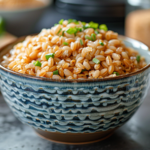
Perfectly cooked jasmine rice looks white and slightly glossy, with grains that cling together just a little when you scoop but separate easily with a gentle touch. The texture should be tender all the way through, with a subtle chew, never hard or crunchy in the center.
When you tilt the pot after cooking, there should be zero standing water. If you see liquid pooling, give it another 2-3 minutes covered off heat.
How to Cook Basmati Rice
Timing and Temperature
Basmati is less forgiving on timing because the grains are firmer and denser. You need 15 to 20 minutes of covered simmering on the lowest heat your stove allows. Start checking at 15 minutes. If the water is absorbed and the rice tastes tender, you’re done. If it’s still a bit firm, give it 5 more minutes.
After cooking, rest for 5 to 10 minutes off heat with the lid still on. This final steam relaxes the grains and ensures they stay separate when you fluff them.
Total time: 20 to 30 minutes depending on your rice quality and stove.
The Right Water Ratio
Basmati needs 1 cup of rice to 1½ cups of water. More than jasmine, less than most other white rice.
The longer, firmer grains of basmati need that extra liquid to fully hydrate and elongate during cooking. Use too little water and you’ll get crunchy centers. Use too much and the grains turn gummy instead of fluffy and separate.
Good-quality aged basmati (the kind worth buying) can absorb even more liquid as it cooks, which is why the 15-20 minute range exists. Better rice takes longer.
Step-by-Step Method
- Rinse thoroughly. This is non-negotiable for basmati. Rinse under cold running water, swishing with your hands, until the water runs nearly clear. This removes excess surface starch that would otherwise make the rice clump.
- Optional but worthwhile: soak for 30 minutes. Soaking helps the grains elongate more during cooking and shortens the cooking time slightly. If you soak, drain well before cooking and check doneness at 12-15 minutes instead of 15-20.
- Boil, then cover. Add rice, water, and a pinch of salt to your pot. Bring to a full boil over high heat. Once bubbling hard, cover tightly and reduce heat to the absolute lowest setting.
- Simmer for 15-20 minutes. Start checking at 15 minutes. Tilt the pot quickly to see if water remains. Taste a grain. If it’s tender and the water is gone, you’re done. If still firm, cook 5 more minutes.
- Rest off heat. Remove from burner, keep lid on for 5-10 minutes.
- Fluff with a fork. Basmati grains are sturdier than jasmine. A fork works beautifully to separate them into individual strands.
Signs It’s Done Right
Perfect basmati rice is fluffy, dry, and gloriously separate. Each grain should be distinct, elongated to nearly twice its original length, with no clumping or stickiness. The color is pure white, the texture tender but with a gentle firmness, never mushy.
Run a fork through it. If the grains fall apart into individual strands without effort, you nailed it. If they stick together in clumps, you either didn’t rinse enough or used too much water.
Why the Cooking Times Differ
Jasmine and basmati are both long-grain aromatic rice, but they behave differently in the pot because of their starch composition and grain structure.
Jasmine rice contains more amylopectin, the starch that makes rice sticky and soft. The grains are slightly shorter and plumper than basmati, with a softer outer layer that absorbs water quickly. This is why jasmine cooks faster and needs less water.
Basmati has more amylose, the starch that keeps grains separate and firm. The grains are longer, slimmer, and have a harder exterior that takes more time to penetrate. Good-quality basmati is also aged, which further firms the grains and increases cooking time. This is why basmati needs more water and a longer simmer to fully hydrate and elongate.
In short: soft, sticky jasmine cooks fast. Firm, fluffy basmati takes its time.
Common Timing Mistakes (and How to Fix Them)
Lifting the Lid Too Early
Every time you lift the lid, you release steam and drop the temperature inside the pot. This throws off the cooking time entirely. What should take 12 minutes for jasmine suddenly needs 15 or 16 because you kept checking.
The fix: Set a timer and walk away. If you absolutely must check, wait until the minimum cooking time is up, then take the fastest peek possible (1 second) and clamp the lid back on immediately.
Skipping the Resting Time
This is where most people ruin otherwise perfect rice. The resting time off heat isn’t optional. It’s when the grains firm up, excess moisture redistributes, and the texture goes from wet and slightly raw to fluffy and tender.
The fix: Build the resting time into your meal prep. Start the rice first, let it rest while you finish the rest of the meal. By the time everything else is ready, your rice will be too.
Wrong Heat Level
Too high and the water evaporates before the rice cooks through, leaving you with burnt bottoms and hard centers. Too low and the rice takes forever, turning gummy as it sits in liquid too long.
The fix: Low heat means the lowest setting on your stove where you can still maintain a bare simmer. The surface of the water should barely move. If you hear aggressive bubbling or smell scorching, your heat is too high.
Overcooking or Undercooking
Overcooked rice (mushy, falling apart) happened because you used too much water or cooked too long. Next time, reduce water by 2 tablespoons per cup of rice and check doneness a few minutes early.
Undercooked rice (hard, crunchy centers) means you either didn’t use enough water or didn’t cook long enough. Add 2-3 tablespoons of water, clamp the lid back on, and let it steam off heat for 5 more minutes. The residual heat and added moisture will finish the job.
Rice Cooker and Instant Pot Timing
Rice Cooker
Both jasmine and basmati work beautifully in a rice cooker using the same water ratios as stovetop cooking.
Jasmine: 1 cup rice to 1¼ cups water. Press the white rice or regular setting. Most machines finish in 20-25 minutes including the automatic resting cycle.
Basmati: 1 cup rice to 1½ cups water. Use the white rice setting. Expect 25-30 minutes total.
Instant Pot
The Instant Pot speeds things up but you need to adjust the water ratio slightly because there’s zero evaporation.
Jasmine: Use a 1:1 ratio (1 cup rice to 1 cup water). High pressure for 3 minutes, then 10-minute natural release. Total time: about 18 minutes.
Basmati: Use a 1:1 ratio (1 cup rice to 1 cup water). High pressure for 4-6 minutes, then 10-minute natural release. Total time: about 20 minutes.
Always let the pressure release naturally. Quick release makes the rice gummy.
Side-by-Side: When to Use Each Rice
Choose jasmine rice when your dish has lots of sauce or liquid that you want the rice to soak up. The naturally sticky, tender texture of jasmine makes it perfect for Thai curries, Vietnamese pho, stir-fries with sauce, and any dish where you’ll be eating with chopsticks and need the grains to cling together just enough to pick up easily.
Think: coconut curry, pad thai, mango sticky rice, fried rice (day-old jasmine is ideal), anything with a soupy or saucy component.
Choose basmati rice when you want the rice to stay distinct and fluffy, acting as a neutral bed for richly spiced or intensely flavored dishes. The separate, elongated grains of basmati are ideal for Indian curries, biryanis, pilafs, kebabs, grilled meats, and any dish where the rice should remain dry and not absorb too much liquid.
Think: butter chicken, dal, tikka masala, biryani, pulao, Persian rice dishes, Middle Eastern mezze spreads.
Both are fragrant and aromatic. Both elevate a meal. The difference is texture and how they interact with the food around them. Jasmine clings and absorbs. Basmati separates and supports.