Creating your own herb salt is an excellent way to add a burst of flavor to your dishes. This simple yet versatile seasoning blend enhances everything from grilled meats and roasted vegetables to scrambled eggs and salads. With fresh herbs and coarse sea salt, you can tailor this recipe to your taste preferences.

Herb Salt Recipe
1
servings10
minutes10
kcalKeep the screen of your device on
Ingredients
100 g 1/3 cup Coarse sea salt
10 g 3/8 cup Fresh rosemary
10 g 1/5 cup Fresh thyme
10 g 1/6 cup Fresh parsley
5 g 1/8 cup Fresh garlic
Equipment
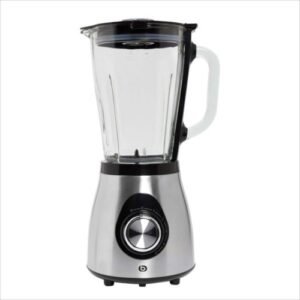
 Food processor or blender
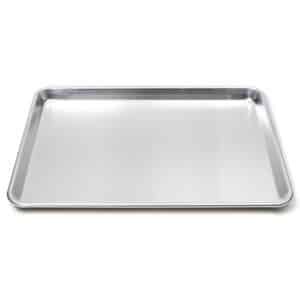
- Baking sheet
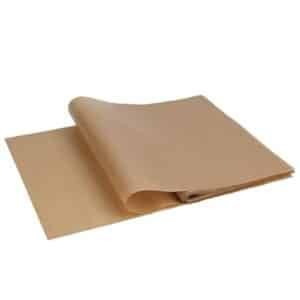
- Parchment paper
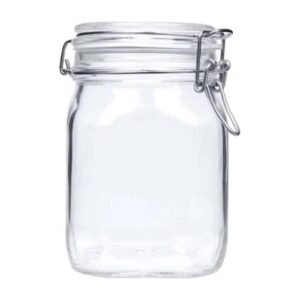
- container for storage
Directions
- Wash the fresh herbs (rosemary, thyme, and parsley) and pat them dry thoroughly with a paper towel. Ensure there’s no moisture left, as this will affect the salt’s texture.
- Roughly chop the herbs to make it easier for them to blend with the salt.
- In a food processor or blender, combine the coarse sea salt and the chopped herbs. If you’re using garlic, add it now. Pulse the mixture until the herbs are finely chopped and well combined with the salt. The mixture should be evenly green with small flecks of herbs throughout.
- Preheat your oven to the lowest setting (around 80°C or 175°F). Spread the herb salt mixture evenly on a baking sheet lined with parchment paper. Place it in the oven and allow it to dry for 1-2 hours, stirring occasionally. The salt should be dry and crumbly when done.
- Once completely dry, remove the herb salt from the oven and let it cool. Transfer it to an airtight jar or container. Store it in a cool, dark place, and it will last for several months.
- Sprinkle this flavorful herb salt on anything that needs a little extra flavor—steaks, roasted vegetables, scrambled eggs…
Notes
- Feel free to experiment with different herbs like basil, oregano, or sage depending on your taste and the dishes you plan to use the salt with. Dried herbs can also be used, but fresh herbs typically provide a more vibrant flavor.
Can I use dried herbs instead of fresh ones?
Yes, you can use dried herbs, but fresh herbs generally provide a more vibrant and aromatic flavor. If using dried herbs, reduce the quantity by half since dried herbs have a more concentrated flavor.
How long does homemade herb salt last?
When stored in an airtight container in a cool, dark place, herb salt can last for up to 6 months. However, for the best flavor, it’s recommended to use it within 3-4 months.
What other herbs can I use in this recipe?
This recipe is very versatile. You can experiment with different herbs like basil, oregano, sage, or dill depending on your preference and the dishes you intend to season.
Do I need to dry the herb salt in the oven?
Drying the herb salt in the oven helps remove any remaining moisture, which prevents the salt from clumping and extends its shelf life. If you prefer, you can air-dry the herb salt by leaving it out on a baking sheet for 1-2 days, stirring occasionally.
Can I add other flavorings like citrus or pepper?
Absolutely! You can add citrus zest (like lemon or orange) or crushed peppercorns to the herb salt for additional layers of flavor. Just be sure to dry the zest properly to avoid moisture issues.
How should I store herb salt?
Store the herb salt in an airtight jar or container, away from heat and light. This will help preserve its flavor and prevent it from clumping due to moisture.
How do I use herb salt?
Herb salt is versatile and can be used as a seasoning for meats, vegetables, eggs, salads, and even on popcorn or bread. Use it as you would any regular salt, but be mindful of the added flavors from the herbs.
What should I do if my herb salt becomes clumpy?
If your herb salt becomes clumpy, it may have absorbed moisture. To fix it, spread the salt on a baking sheet and dry it in the oven again at a low temperature (around 80°C or 175°F) for about 30 minutes. Let it cool completely before storing it again.