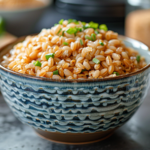
This avocado and salmon roll recipe is a delightful fusion of creamy avocado, fresh sashimi-grade salmon, and perfectly seasoned sushi rice. This dish is not only easy to make but also a satisfying and healthy option for a light meal or appetizer. Let’s get started!

Avocado and Salmon Roll Recipe
1
servings10
minutes25
minutes340
kcal35
minutesKeep the screen of your device on
Ingredients
50 g 1 2/3 fl oz Sashimi Grade Salmon
1/2 1/2 avocado
1 1 Seaweed Sheet (Nori)
60 g 1/3 cup sushi rice
1 teaspoon 1 teaspoon rice vinegar
1/4 teaspoon 1/4 teaspoon sugar
1 pinch 1 pinch salt
1 teaspoon 1 teaspoon soy sauce
1/4 tablespoon 1/4 tablespoon Whole Egg Mayonnaise
1 teaspoon 1 teaspoon Wasabi
Equipment
 Bamboo sushi rolling mat
- Sharp knife
- Cutting board
- Small bowl
- Spoon



Directions
- Cook the sushi rice according to the package instructions. Once the rice is cooked, transfer it to a bowl and let it cool slightly. In a small bowl, mix the rice vinegar, sugar, and a pinch of salt until dissolved. Gently fold this mixture into the cooked rice to evenly season it.
- Slice the sashimi-grade salmon into thick strips. Slice the avocado into even slices after removing the skin and stone.
- Place the nori sheet on the bamboo sushi mat, shiny side down. Spread the seasoned sushi rice evenly over the nori, leaving about 2 cm (3/4 inch) of the top edge free.
- Spread a thin layer of whole egg mayonnaise over the rice. Add a small amount of wasabi along the center of the rice (adjust the amount according to your spice preference).
- Lay the salmon strips and avocado slices horizontally across the middle of the rice.
- Using the bamboo mat, start rolling the nori sheet tightly from the bottom, pressing gently but firmly to ensure the roll holds its shape. Roll until the free edge of the nori sheet seals the roll.
- With a sharp knife, slice the roll into 6-8 even pieces. Serve with soy sauce on the side for dipping.
Notes
- When spreading the rice on the nori sheet, wet your fingers with water to prevent the rice from sticking to your hands. This will make the process smoother and help you achieve an even layer of rice.
What is sashimi-grade salmon, and why is it important?
Sashimi-grade salmon is high-quality fish that is safe to eat raw. It’s important to use sashimi-grade salmon in this recipe to ensure it is safe for consumption without cooking. Always buy from a trusted source to ensure the fish is fresh and properly handled.
Can I make the roll without the seaweed sheet (nori)?
Yes, you can make a roll without nori by using plastic wrap to shape the rice and fillings into a roll, then cutting it into pieces. However, the nori provides a traditional flavor and structure to the roll, so omitting it will change the overall experience.
What can I substitute for wasabi if I don’t like the heat?
If you find wasabi too spicy, you can omit it or replace it with a mild, creamy sauce like sriracha mayo or a touch of soy sauce mixed with a little bit of mayonnaise for a similar flavor without the heat.
Can I prepare the ingredients in advance?
Yes, you can prepare the sushi rice and slice the fillings ahead of time. However, it’s best to assemble the rolls right before serving to ensure the freshest taste and texture.
How do I keep the avocado from browning?
To prevent the avocado from browning, you can brush the slices with a little bit of lime or lemon juice. This will slow down the oxidation process, keeping the avocado looking fresh.
Can I add other ingredients to the roll?
Absolutely! Feel free to customize your roll by adding ingredients like cucumber, carrots, or even cream cheese. Just be mindful not to overfill the roll, as it can make rolling and cutting more difficult.
What should I do if the roll falls apart when cutting?
If the roll falls apart, try using a sharper knife and wetting the blade slightly before cutting. Pressing too hard can also cause the roll to break, so use a gentle sawing motion instead of pushing down.
How should I store leftovers?
Sushi rolls are best eaten fresh, but if you need to store leftovers, wrap them tightly in plastic wrap and store them in the refrigerator for up to 24 hours. Keep in mind that the texture of the rice and avocado may change slightly after being refrigerated.