Boneless prime rib roast is a show-stopping dish that’s both impressive and surprisingly easy to make. This succulent cut of beef, often served during the holidays, is known for its rich flavor and melt-in-your-mouth tenderness. With the right seasoning and cooking technique, you can achieve a perfectly juicy roast with a crispy, golden crust. Whether you’re hosting a holiday dinner or simply want to treat yourself to a special meal, this prime rib roast recipe will become a family favorite.

Boneless Beef Prime Rib Roast Recipe
6
servings15
minutes2
hours657
kcal2
hours15
minutesKeep the screen of your device on
Ingredients
- For the Prime Rib Roast:
2.3 kg 5 lb Boneless Beef Prime Rib
2 tablespoons 2 tablespoons olive oil
4 4 garlic cloves
2 tablespoons 2 tablespoons fresh rosemary
2 tablespoons 2 tablespoons fresh thyme
2 teaspoons 2 teaspoons kosher salt
1 teaspoon 1 teaspoon black pepper
1 teaspoon 1 teaspoon smoked paprika
- For the sauce:
240 ml 1 cup beef broth
120 ml 1/2 cup red wine
1 tablespoon 1 tablespoon Worcestershire sauce
1 tablespoon 1 tablespoon flour
Equipment
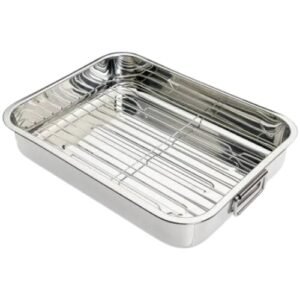
 Roasting pan with a rack
- Meat thermometer
- Small mixing bowl
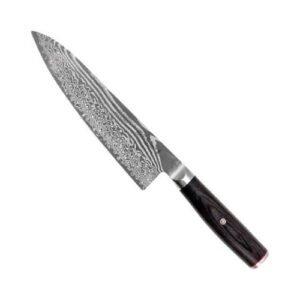
- Sharp knife
- Aluminum foil

Directions
- Prepare the Prime Rib:
- Remove the prime rib from the fridge and let it sit at room temperature for about 1 hour before cooking. This ensures even cooking.
- Preheat your oven to 450°F (230°C).
- Season the Roast:
- In a small bowl, mix together the olive oil, minced garlic, rosemary, thyme, salt, pepper, and smoked paprika (if using).
- Pat the roast dry with paper towels. Rub the seasoning mixture all over the surface of the roast, ensuring it’s evenly coated.
- Roast the Prime Rib:
- Place the seasoned roast, fat side up, on a roasting rack inside a roasting pan.
- Insert the meat thermometer into the thickest part of the roast, making sure it’s not touching the bone.
- Roast at 450°F (230°C) for 15 minutes to create a crust.
- Lower the Oven Temperature:
- After the initial 15 minutes, reduce the oven temperature to 325°F (160°C).
- Continue roasting the prime rib for about 1.5 to 2 hours, or until the internal temperature reaches your preferred level of doneness: (120°F (49°C) for rare ; 130°F (54°C) for medium-rare ; 140°F (60°C) for medium)
- For a medium-rare roast, aim for a final temperature of 130°F (54°C). Use the thermometer to check every 20 minutes after the 1-hour mark.
- Rest the Roast:
- Once the desired temperature is reached, remove the roast from the oven.
- Tent it with aluminum foil and let it rest for at least 20 minutes. This helps the juices redistribute, making the meat tender and juicy.
- Prepare the sauce:
- While the roast is resting, place the roasting pan over medium heat on the stovetop.
- Add the beef broth, red wine, and Worcestershire sauce, scraping any browned bits from the bottom of the pan.
- Simmer for 5-7 minutes until reduced slightly.
- If you prefer a thicker sauce, whisk in 1 tablespoon of flour and cook until the sauce thickens.
- Carve and Serve:
- Once the roast has rested, use a sharp knife to carve it into thick slices.
- Serve with the au jus on the side for dipping.
Notes
- Don’t skip resting the roast; this locks in the juices and prevents them from running out when you slice the meat.
What is the best way to season a boneless beef prime rib roast?
The best seasoning for prime rib roast combines olive oil, garlic, rosemary, thyme, salt, and pepper. You can add smoked paprika for extra flavor or swap herbs based on your preference. Be sure to season generously for maximum flavor.
How long should I cook a boneless beef prime rib roast per pound?
A general rule is to roast it at 325°F (160°C) for about 15-20 minutes per pound for medium-rare. Always rely on a meat thermometer to check the internal temperature rather than strictly cooking by time.
What internal temperature should I aim for when cooking prime rib?
120°F (49°C) for rare
130°F (54°C) for medium-rare
140°F (60°C) for medium
Make sure to remove the roast from the oven a few degrees below your target temperature, as it will continue to cook while resting.
How long should I let the prime rib rest before carving?
Let the prime rib rest for at least 20 minutes after roasting. This step allows the juices to redistribute within the meat, resulting in a more tender and flavorful roast.
Can I cook the roast at a higher temperature to reduce cooking time?
While you can start the roast at a high temperature (like 450°F or 230°C) for the first 15 minutes to create a crust, it’s best to reduce the heat to 325°F (160°C) for the remainder of the cooking time. Higher temperatures throughout can lead to uneven cooking and a tougher roast.
Do I need to sear the roast before putting it in the oven?
Searing is not necessary for prime rib roast, as the initial high-temperature roasting creates a crust similar to a sear. However, if you prefer, you can sear the roast in a hot pan before placing it in the oven.
Should I tie the roast before cooking it?
Tying the roast helps it maintain a uniform shape during cooking, which ensures even cooking. If your butcher hasn’t already done so, you can tie it with butcher’s twine.
Can I make this recipe ahead of time?
It’s best to cook prime rib fresh, but you can prepare the seasoning and rub the roast up to 24 hours in advance. Store it in the refrigerator, covered, until ready to cook.
How do I reheat leftover prime rib without drying it out?
To reheat, wrap the slices in aluminum foil and warm them in the oven at a low temperature (250°F or 120°C) until heated through. You can also reheat gently in a pan with a little beef broth to keep it moist.
What sides pair best with boneless beef prime rib roast?
Classic sides include garlic mashed potatoes, roasted vegetables (like Brussels sprouts or carrots), Yorkshire pudding, or creamy horseradish sauce. For a lighter option, consider a fresh green salad.