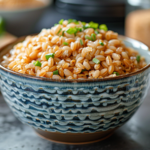
If you love bold, flavorful dishes, this spicy tuna recipe will hit the spot. Featuring tender, fresh tuna paired with the heat of Sriracha and the smoothness of creamy mayo, this dish offers a perfect balance of richness and spice. It’s quick to prepare and easy to adjust based on your spice preference, making it an ideal choice for a simple appetizer, a light lunch, or a satisfying dinner when served with rice or fresh vegetables.

Spicy Tuna Recipe
3
servings15
minutes204
kcalKeep the screen of your device on
Ingredients
225 g 1/2 lb fresh tuna, sushi-grade, finely diced
2 tablespoons 2 tablespoons mayonnaise
1 tablespoon 1 tablespoon Sriracha sauce
1 teaspoon 1 teaspoon soy sauce
1 teaspoon 1 teaspoon sesame oil
1 teaspoon 1 teaspoon rice vinegar
1/2 teaspoon 1/2 teaspoon chili flakes
1 1 green onion
1 teaspoon 1 teaspoon toasted sesame seeds
Equipment
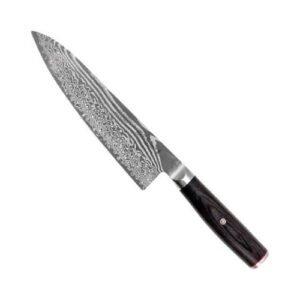
 Sharp chef’s knife
- Cutting board
- Mixing bowl


Directions
- Using a sharp chef’s knife, finely dice the sushi-grade tuna into small cubes. Be sure to handle the tuna gently to maintain its fresh texture.
- In a mixing bowl, combine the mayonnaise, Sriracha, soy sauce, sesame oil, and rice vinegar. Stir until the sauce is smooth and well-blended. Adjust the amount of Sriracha to your desired level of spiciness.
- Add the diced tuna into the bowl with the spicy sauce. Gently fold the tuna into the sauce until evenly coated. Be careful not to overmix, as you want to preserve the texture of the fish.
- Sprinkle the chopped green onion and toasted sesame seeds on top of the spicy tuna mixture for added flavor and texture.
- Serve and enjoy.
Notes
- Make sure to use sushi-grade tuna for the best flavor and safety. Ask your fishmonger for recommendations, or look for pre-packaged sushi-grade options.
How spicy is this recipe?
The level of spiciness is customizable. With the base recipe, the heat comes primarily from Sriracha, which offers a medium level of spiciness. If you prefer a milder version, simply reduce the amount of Sriracha or omit the chili flakes. For more heat, feel free to add extra Sriracha or diced fresh chilies.
How do I ensure the tuna is safe to eat raw?
To safely consume raw tuna, make sure to use sushi-grade or sashimi-grade tuna from a reputable fish market. This grade of tuna is flash-frozen to kill any harmful parasites, making it safe for raw consumption. Always store raw tuna in the refrigerator and consume it as fresh as possible.
Can I prepare this spicy tuna ahead of time?
This dish is best enjoyed fresh, but you can prepare the sauce and dice the tuna up to 1-2 hours in advance. Store the tuna in an airtight container in the fridge until ready to serve. Mix the sauce with the tuna just before serving to maintain its fresh texture.
What can I serve with spicy tuna?
Spicy tuna pairs well with a variety of sides. You can serve it over white rice, brown rice, or cauliflower rice for a low-carb option. It also works well with fresh vegetables like avocado, cucumber, or leafy greens to make a refreshing and balanced meal.
How long can I store leftovers?
If you have leftover spicy tuna, it should be stored in an airtight container in the refrigerator and consumed within 24 hours. However, since the tuna is raw, it’s best to enjoy it as soon as possible for the freshest taste and texture.
What type of mayonnaise is best for spicy tuna?
Japanese Kewpie mayonnaise is the preferred choice for this recipe due to its rich, creamy texture and slightly tangy flavor. However, regular mayo will work just fine. For a lighter option, you can substitute with Greek yogurt or a vegan mayo alternative.