If you’re looking for a way to elevate your steak game, this reverse sear picanha recipe is the answer. Picanha, a popular cut in Brazilian barbecue, is known for its rich flavor and tender texture. The reverse sear method ensures that the meat is cooked evenly and retains its juiciness, while the final sear adds a beautiful, flavorful crust. Follow this recipe to enjoy a restaurant-quality steak at home.

Reverse Sear Picanha Recipe
1
servings30
minutes1
hour596
kcal1
hour30
minutesKeep the screen of your device on
Ingredients
300 g 10 4/7 oz Picanha (top sirloin cap)
1 tablespoon 1 tablespoon Coarse salt
1 tablespoon 1 tablespoon Black pepper
1 tablespoon 1 tablespoon Olive oil
1/2 tablespoon 1/2 tablespoon Garlic powder
Equipment
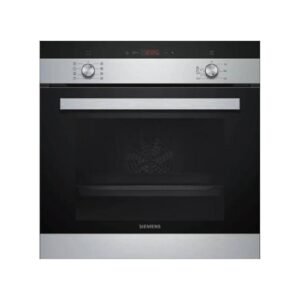
 Oven
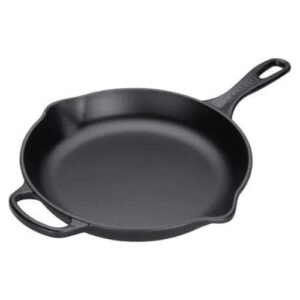
Oven- Cast iron skillet
- Meat thermometer
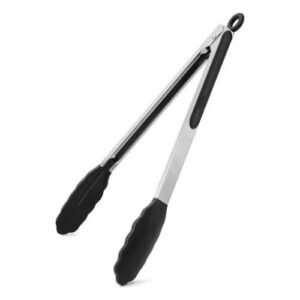
- Tongs
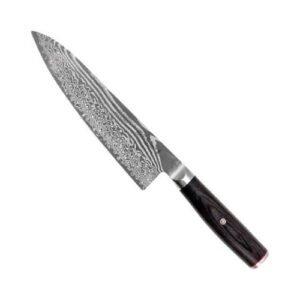
- Sharp knife
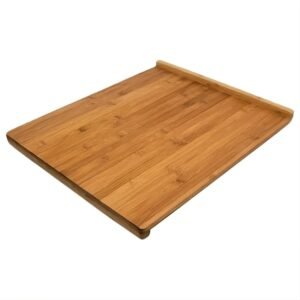
- Cutting board
- Aluminum foil

Directions
- Set your oven to 135°C (275°F) and allow it to preheat.
- Rub the picanha generously with coarse salt, black pepper, and garlic powder (if using). Let it sit at room temperature for about 30 minutes to ensure even cooking.
- Place the seasoned picanha on a wire rack over a baking sheet, fat side up. Insert a meat thermometer into the thickest part of the meat. Cook the steak in the preheated oven until it reaches an internal temperature of 50°C (122°F) for medium-rare. This should take about 45-60 minutes.
- Once the desired internal temperature is reached, remove the picanha from the oven. Tent it loosely with aluminum foil and let it rest for 10-15 minutes. This resting period allows the juices to redistribute throughout the meat.
- While the steak is resting, heat the olive oil in a cast iron skillet over high heat until it’s smoking hot. Sear the picanha for 1-2 minutes on each side, starting with the fat side down, until a deep brown crust forms.
- After searing, remove the picanha from the skillet and let it rest for another 5 minutes. Slice the steak against the grain into thin strips and serve immediately.
Notes
- For an extra crispy crust, pat the picanha dry with paper towels before searing. Moisture on the surface can prevent proper browning.
What is picanha?
Picanha, also known as the top sirloin cap or rump cap, is a popular cut of beef in Brazilian barbecue. It is known for its rich flavor and a thick layer of fat that adds juiciness and enhances the taste when cooked.
What is the reverse sear method?
The reverse sear method involves cooking the meat slowly at a low temperature first, then finishing it with a high-temperature sear. This method ensures even cooking and a perfectly browned crust without overcooking the interior.
What internal temperature should I aim for?
For a medium-rare steak, aim for an internal temperature of 50°C (122°F) before searing. After the final sear, the temperature will rise to about 55°C (130°F). Adjust accordingly if you prefer a different level of doneness.
Can I use a different cut of meat for this recipe?
Yes, while picanha is traditional, this reverse sear method works well with other thick cuts like ribeye, strip steak, or tenderloin. The key is to use a cut with enough thickness to benefit from the slow cooking process.
Why is resting the meat important?
Resting the meat after the initial cook and after searing allows the juices to redistribute throughout the steak, resulting in a more flavorful and tender bite. Skipping this step can lead to dry or unevenly cooked meat.
Can I cook the picanha on a grill instead of in the oven?
Yes, you can use a grill to cook the picanha at low heat initially and then finish it with a high-temperature sear. Just be sure to monitor the internal temperature closely, as grilling can cause it to rise quickly.
Do I need to trim the fat cap before cooking?
The fat cap is a signature feature of picanha and adds a lot of flavor. It’s recommended to leave it intact, but you can trim it slightly if you prefer less fat. Be careful not to remove too much, as the fat helps keep the meat moist during cooking.
How do I ensure a good sear on the picanha?
To achieve a good sear, make sure your skillet is very hot before adding the meat. Patting the picanha dry with paper towels before searing also helps create a better crust by removing excess moisture.
What should I serve with picanha?
Picanha pairs well with traditional Brazilian sides like rice, beans, farofa (toasted cassava flour), and chimichurri sauce. It also complements roasted vegetables, salads, or grilled bread.