Tepache is a traditional Mexican fermented drink made from pineapple peels, sugar, and spices. It’s refreshing, slightly tangy, and lightly effervescent, making it a perfect beverage for warm weather. The fermentation process not only preserves the fruit but also enhances its flavors, creating a naturally probiotic drink that’s delicious and good for your gut health. If you love experimenting with fermented drinks or want a homemade alternative to sodas, this tepache recipe is perfect for you!

Pineapple Tepache Recipe
1
servings15
minutes48
hours122
kcal48
hours15
minutesKeep the screen of your device on
Ingredients
1 1 large ripe pineapple
400 g 2 cup piloncillo or dark brown sugar
2 l 8 cup filtered water
1 1 cinnamon stick
3 3 cloves
1 1 small piece of ginger
Equipment
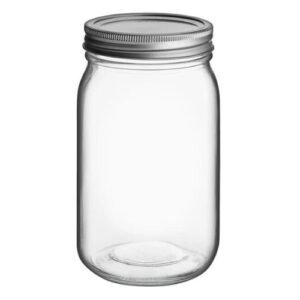
 Jar
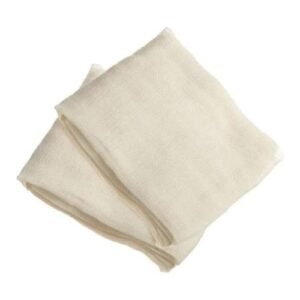
Jar- Cheesecloth or a clean kitchen towel
- Rubber band or string
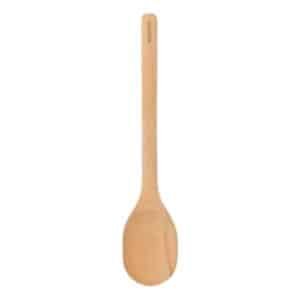
- Wooden spoon

Directions
- Rinse the pineapple thoroughly to remove any dirt. Organic pineapples are recommended since you’ll be using the peel, where pesticides can linger.
- Cut off the top and bottom of the pineapple. Peel the fruit, reserving the skins. You can set the flesh aside for eating or juicing.
- In a large glass jar or fermentation vessel, place the pineapple peels, the cinnamon stick, cloves, and any optional add-ins like ginger.
- Pour the filtered water over the ingredients.
- Add the piloncillo or brown sugar to the jar. Stir with a wooden spoon until the sugar is fully dissolved. If you’re using piloncillo, which is unrefined Mexican sugar, you might need to break it into smaller chunks to help it dissolve faster.
- Cover the jar with cheesecloth or a clean kitchen towel. Secure it with a rubber band or string to allow airflow while keeping out insects or dust.
- Place the jar in a warm, shaded spot in your kitchen, away from direct sunlight, and let it sit for 48-72 hours.
- After 48 hours, check on your tepache. You should notice some bubbles forming on the surface, a sign that fermentation is underway. Taste it: if it’s sweet and lightly tangy, it’s ready. If you prefer a more tangy, less sweet flavor, let it ferment for another day (up to 72 hours).
- Once fermented to your liking, strain the liquid through a fine-mesh sieve or cheesecloth to remove the solids.
- Pour the strained tepache into clean glass bottles or jars with lids.
- Refrigerate the bottles for at least a few hours before serving. Tepache is best enjoyed cold and will continue to carbonate slightly in the fridge.
- For a fizzy version, you can seal the tepache in airtight bottles and let it sit in the fridge for an additional 1-2 days. Be careful when opening, as the pressure from carbonation can build up.
Notes
- Use ripe pineapple: The riper the pineapple, the better your tepache will taste, as more sugars will feed the fermentation process.
- Filtered water: Using filtered water helps avoid unwanted bacteria or chemicals that can inhibit fermentation.
Can I use a different type of sugar instead of piloncillo?
Yes! You can substitute piloncillo with dark brown sugar, which provides a similar deep molasses flavor. White sugar can also be used, but it won’t deliver the same richness.
Is tepache alcoholic?
Tepache has a very low alcohol content, typically ranging from 0.5% to 2%, depending on how long it ferments. It’s considered a non-alcoholic beverage, similar to kombucha in alcohol levels.
How long does tepache last?
Once refrigerated, tepache will stay fresh for about 5 to 7 days. However, it will continue to ferment and may become more tangy or fizzy over time, so it’s best enjoyed within the first few days.
Can I add other fruits to my tepache?
Yes! Some people like to experiment by adding fruits like apples, oranges, or guavas during fermentation for a unique twist. Just be mindful that adding extra fruit may alter the fermentation time slightly.
What should I do if my tepache smells like vinegar?
If your tepache smells strongly of vinegar, it has likely over-fermented. Tepache is best enjoyed when it’s slightly sweet and tangy, so it’s important to taste it throughout the fermentation process and stop it when the flavor suits your preference.
Can I make tepache without any spices?
Absolutely! While cinnamon and cloves add traditional flavor, you can omit the spices if you prefer a simpler, fruit-forward taste.
What if my tepache doesn’t bubble?
Lack of bubbles could mean the temperature is too low or the fermentation hasn’t kickstarted properly. Try placing your jar in a warmer spot, or make sure you’re using unchlorinated, filtered water, as chlorine can interfere with the fermentation process.