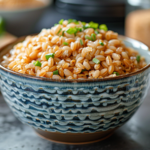
If you’re a fan of hot sauces and love the heat that cayenne peppers bring, this Green Cayenne Pepper Sauce is a must-try. It’s fresh, tangy, and delivers just the right amount of kick to elevate your favorite dishes. Whether you’re drizzling it on tacos, stirring it into soups, or using it as a marinade, this sauce is versatile and easy to prepare.

Green Cayenne Pepper Sauce Recipe
1
jar10
minutes15
minutes16
kcal25
minutesKeep the screen of your device on
Ingredients
120 g 4 oz Green Cayenne Peppers
3 3 Garlic cloves
120 ml 1/2 cup White Vinegar
1 teaspoon 1 teaspoon Salt
60 ml 60 Water
1 teaspoon 1 teaspoon Sugar
2 tablespoons 2 tablespoons Lime Juice
1 1 onion
1 tablespoon 1 tablespoon Olive oil
4-5 4-5 cilantro sprigs (optional)
Equipment
 Blender or Food Processor
- Medium Saucepan
- Fine Mesh Strainer
- Glass Bottle or Jar
Directions
- Start by washing the green cayenne peppers thoroughly. Remove the stems and roughly chop them into smaller pieces for easier blending.
- In a blender or food processor, combine the chopped cayenne peppers, garlic cloves, white vinegar, Olive oil, water, onion, and salt. Blend until the mixture is smooth and well-combined.
- Pour the blended mixture into a medium saucepan. Bring it to a boil over medium heat, then reduce the heat and let it simmer for about 10 minutes. This will help the flavors meld together and slightly thicken the sauce.
- Taste the sauce. If you find it too spicy, you can add the sugar to balance the heat. Stir in the freshly squeezed lime juice for a burst of freshness.
- For a smoother sauce, strain the mixture through a fine mesh strainer into a bowl, pressing down with a spoon to extract as much liquid as possible. This step is optional if you prefer a chunkier sauce.
- Allow the sauce to cool completely. Transfer it to a glass bottle or jar, and store it in the refrigerator.
Notes
- Adjust the spiciness by removing some or all of the seeds from the peppers before blending. Seeds contribute significantly to the heat level.
What is the difference between green and red cayenne peppers?
Green cayenne peppers are simply unripe versions of red cayenne peppers. They have a fresher, slightly less intense flavor compared to their fully ripened red counterparts. The green variety is often used when a milder heat and a more herbal flavor profile are desired.
How long does homemade green cayenne pepper sauce last?
When stored in an airtight glass bottle or jar in the refrigerator, this sauce can last up to 2 weeks. The vinegar acts as a natural preservative, helping to extend its shelf life.
Can I use other types of peppers for this recipe?
Yes, you can substitute green cayenne peppers with other green chili varieties like jalapeños, serranos, or even poblano peppers for a milder sauce. Keep in mind that the heat level and flavor will vary depending on the type of pepper you use.
Is it necessary to strain the sauce?
Straining the sauce is optional. If you prefer a smoother consistency, you can strain it to remove any pulp and seeds. However, if you enjoy a chunkier texture with bits of pepper and garlic, you can skip this step.
Can I make this sauce less spicy?
To reduce the spiciness, you can remove the seeds and inner membranes from the cayenne peppers before blending. Additionally, adjusting the amount of sugar or adding more lime juice can help balance the heat.
What are some good uses for green cayenne pepper sauce?
This versatile sauce can be used in many ways:
In dips: Blend with mayonnaise, sour cream, or yogurt for a zesty dip.
As a condiment: Drizzle over tacos, grilled meats, or roasted vegetables.
In marinades: Use as a base for marinating chicken, fish, or tofu.
In dressings: Mix with olive oil and herbs for a spicy salad dressing.
Can I freeze the sauce?
Yes, you can freeze this sauce in ice cube trays or small containers. Once frozen, transfer the cubes to a freezer-safe bag. It will keep for up to 3 months. Thaw in the refrigerator before using.
Can I use dried green cayenne peppers instead of fresh ones?
Yes, you can use dried green cayenne peppers, but the flavor and texture will be different. Rehydrate the dried peppers in warm water for about 20 minutes before blending. The sauce may have a deeper, more concentrated flavor compared to using fresh peppers.
How can I thicken the sauce if it’s too thin?
If your sauce is too thin, you can simmer it for a few extra minutes to reduce the liquid and thicken it. Alternatively, you can mix 1 teaspoon of cornstarch with 2 tablespoons of cold water to make a slurry. Gradually stir this into the simmering sauce until it thickens to your desired consistency.
What if I don’t have white vinegar?
If you don’t have white vinegar, you can substitute it with apple cider vinegar, rice vinegar, or even lemon juice. Each will give the sauce a slightly different flavor profile, so choose based on your taste preference.
Why did my sauce change color after a few days?
Homemade sauces with fresh ingredients can change color over time due to oxidation, especially if not stored in an airtight container. This is normal and doesn’t usually affect the flavor. However, if the sauce develops an off smell or taste, it’s best to discard it.