Cherries in syrup are a sweet, simple treat that can add something special to your desserts or drinks. This easy recipe lets you capture the taste of fresh cherries, so you can enjoy them any time of the year. Whether you’re topping ice cream, pancakes, or stirring them into cocktails, these cherries are sure to make anything a little more delicious.

Cherries in Syrup Recipe
1
jar10
minutes20
minutes45
kcal30
minutesKeep the screen of your device on
Ingredients
500 g 1 lb Fresh cherries
200 g 1 cup Granulated sugar
240 ml 1 cup Water
1 tablespoon 1 tablespoon Lemon juice (optional)
1 teaspoon 1 teaspoon Vanilla extract (optional)
Equipment
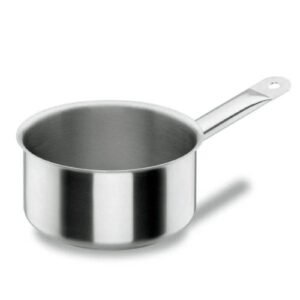
 Medium saucepan
- Cherry pitter (or a small knife)
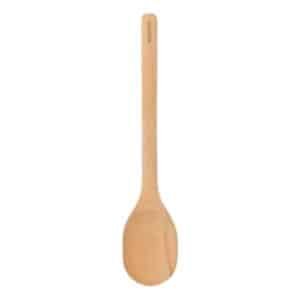
- Wooden spoon
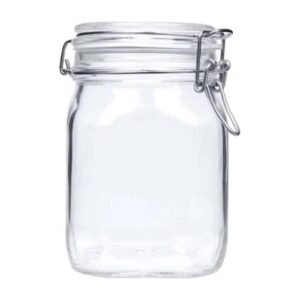
- Sterilized glass jars

Directions
- Begin by washing the cherries thoroughly. Pit the cherries using a cherry pitter or a small knife. Discard the pits and set the cherries aside.
- In a medium saucepan, combine the water and sugar. Heat the mixture over medium heat, stirring occasionally, until the sugar is completely dissolved.
- Once the sugar has dissolved, add the pitted cherries to the saucepan. Bring the mixture to a gentle boil, then reduce the heat to low. Let the cherries simmer for about 15-20 minutes, stirring occasionally, until the cherries are tender and the syrup has thickened slightly.
- If you want to enhance the flavor, add the lemon juice and vanilla extract during the last 5 minutes of cooking. Stir well to combine.
- Remove the saucepan from heat and let the cherries in syrup cool slightly. Transfer the cherries and syrup into sterilized glass jars, leaving about 1 cm (1/2 inch) of space at the top. Seal the jars tightly.
- Let the jars cool to room temperature before storing them in the refrigerator. The cherries in syrup can be kept in the fridge for up to 2 weeks.
Notes
- If you’d like to store the cherries in syrup for a longer period, consider processing the jars in a water bath canner for about 10 minutes. This will allow them to be stored at room temperature for several months.
Can I use frozen cherries instead of fresh ones?
Yes, you can use frozen cherries if fresh ones aren’t available. Just make sure to thaw them completely before starting the recipe.
How long can I store cherries in syrup?
When stored in sterilized jars in the refrigerator, cherries in syrup can last up to 2 weeks. For longer storage, you can process the jars in a water bath canner and store them at room temperature for several months.
Do I need to add lemon juice or vanilla extract?
Adding lemon juice and vanilla extract is optional. Lemon juice adds a slight tartness, while vanilla extract enhances the flavor. Both ingredients can be adjusted to your taste or omitted if you prefer a simpler syrup.
Can I use this recipe for other fruits?
Yes, this basic syrup recipe works well with other fruits like peaches, apricots, or berries. Adjust the cooking time based on the fruit you’re using.
What can I do if my syrup is too thin or too thick?
If the syrup is too thin, continue simmering until it thickens to your desired consistency. If it’s too thick, you can add a little water to thin it out while it’s still warm.
How should I serve cherries in syrup?
Cherries in syrup are versatile! You can spoon them over ice cream, pancakes, waffles, or yogurt. They’re also great in cocktails, on cheesecake, or as a filling for pies and tarts.
Can I make this recipe with less sugar?
You can reduce the sugar, but keep in mind that it also acts as a preservative. Reducing the sugar content may affect the shelf life and texture of the cherries.
What is the best way to pit cherries?
A cherry pitter is the easiest tool to use, but if you don’t have one, you can use a small knife or a sturdy straw to push the pit out. Just be careful not to damage the fruit too much.
What is the best way to pit cherries?
A cherry pitter is the easiest tool to use, but if you don’t have one, you can use a small knife or a sturdy straw to push the pit out. Just be careful not to damage the fruit too much.
What do I do if my jars don’t seal properly after canning?
If a jar doesn’t seal, you can either reprocess it within 24 hours or store it in the refrigerator and use it first. Make sure to check the rims of the jars for any chips or debris before sealing to ensure a good seal.