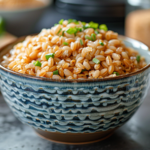
Asian pear juice is a delightful beverage that you can enjoy any time of the day. Its light, crisp flavor makes it a perfect companion to meals or a refreshing drink on its own. Try experimenting with different additions, like ginger or mint, to customize the juice to your taste. Enjoy the hydrating and nourishing benefits of this easy-to-make juice!

Asian Pear Juice Recipe
2
servings10
minutes91
kcalKeep the screen of your device on
Ingredients
2 2 Asian pears
240 ml 1 cup Water
2 teaspoons 2 teaspoons Honey or sugar
1 tablespoon 1 tablespoon Lemon juice
Equipment
 Blender or juicer
- Fine mesh strainer or cheesecloth
- Knife
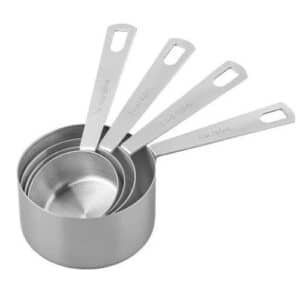
- Measuring cups (for USA)
- Spoons
- Glasses
Directions
- Start by washing the Asian pears thoroughly under cold water. Peel the skin if you prefer a smoother juice, though the skin is edible and contains beneficial nutrients. Core the pears and cut them into small chunks for easier blending.
- Place the pear chunks into a blender. Add 1 cup of water to help with blending. If you like your juice sweeter, add honey or sugar at this stage. Blend until smooth and fully liquefied.
- Pour the blended pear mixture through a fine mesh strainer or cheesecloth into a bowl or jug. Use a spoon or spatula to press down the pulp and extract as much juice as possible.
- For a slightly tangy twist, stir in a tablespoon of lemon juice. This will also help to preserve the color and enhance the flavor.
- Pour the fresh Asian pear juice into glasses and serve immediately. You can chill the juice in the refrigerator for a few minutes if you prefer it cold.
Notes
- Asian pears are naturally sweet, but if you find the juice too tart, feel free to adjust the sweetness with honey, sugar, or a natural sweetener like agave syrup.
What are the health benefits of Asian pear juice?
Asian pear juice is rich in vitamins, particularly vitamin C, and dietary fiber. It’s hydrating and helps support digestion, boosts immunity, and provides antioxidants that protect against cellular damage.
Can I make Asian pear juice without a blender?
Yes, you can use a juicer if you have one. If you don’t have either, you can grate the pears finely and then press the pulp through a cheesecloth to extract the juice manually.
Should I peel the pears before juicing?
Peeling the pears is optional. The skin contains additional fiber and nutrients, but it can also make the juice slightly thicker. If you prefer a smoother juice, you can peel the pears before juicing.
How long can I store Asian pear juice?
Asian pear juice is best consumed immediately for maximum freshness and flavor. However, you can store it in an airtight container in the refrigerator for up to 24 hours. Be aware that the juice may start to oxidize and change color if stored longer.
Can I mix Asian pear juice with other fruits?
Yes, Asian pear juice pairs well with other fruits like apples, ginger, lemon, or even berries. Experiment with different combinations to find your favorite blend.
Is Asian pear juice good for weight loss?
Asian pear juice is low in calories and high in water content, making it a good choice for those looking to manage their weight. However, be mindful of added sugars or sweeteners, which can increase calorie content.
Can I use Asian pears that are overripe?
Yes, overripe Asian pears can be juiced, and they might even yield a sweeter juice. However, avoid using pears that have become mushy or fermented, as this will affect the taste and quality of the juice.
What can I do with the leftover pulp?
The leftover pear pulp can be used in smoothies, baked goods, or as a natural sweetener in oatmeal or yogurt. You can also compost it if you prefer not to use it in cooking.
Is it necessary to add lemon juice to the Asian pear juice?
Lemon juice is optional, but it can help preserve the juice’s color and add a pleasant tartness. If you prefer a purely sweet juice, you can skip the lemon juice.