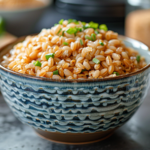
Long grain white rice shouldn’t intimidate anyone. The secret? Stop overthinking the ratio, ignore the package instructions if they say 2:1, and follow this simple stovetop method. Fluffy, tender grains. Every single time.
The Right Ratio for Fluffy Rice
One cup rice, one and a half cups water. That’s it.
Not 2:1 like many packages suggest. Too much water creates mush. This 1.5:1 ratio gives you separated, tender grains that hold their shape.
One cup dry rice yields about 3 cups cooked. Scale up freely, just keep that ratio. Two cups rice? Three cups water. The math stays simple.
The Basic Stovetop Method
What You Need
- 1 cup long grain white rice (jasmine, basmati, or plain)
- 1½ cups water
- ½ teaspoon salt
- 1 tablespoon butter or olive oil (optional)
- Medium saucepan with tight-fitting lid
Step by Step
Rinse the rice. Hold it under cold running water in a fine mesh strainer for 30 seconds, swirling with your fingers. The water will run cloudy, then clearer. This removes surface starch that makes grains gummy. Skip this only if you’re truly rushed.
Bring water to a boil. Pour the water into your saucepan, add the salt (and butter if using), and crank the heat to medium-high. Wait for a full, rolling boil.
Add the rice. Pour in your rinsed, drained rice. Give it one quick stir to make sure no grains are stuck to the bottom. Let the water return to a boil.
Cover and reduce heat immediately. The moment it bubbles again, slap the lid on and turn your heat to the absolute lowest setting. Not medium-low. The lowest your stove goes.
Simmer for 15 minutes. Set a timer. Walk away. Don’t lift the lid. Don’t peek. Don’t stir. Each time you open that pot, you release the steam that’s cooking your rice. Leave it alone.
Rest for 10 minutes off the heat. When the timer rings, turn off the burner but keep the lid on. Let the pot sit there, undisturbed, for another 10 minutes. This resting time is not optional. The trapped steam finishes the job, absorbing any remaining moisture and making each grain tender without being mushy.
Fluff and serve. Finally, lift the lid. Take a fork and gently fluff the rice, turning it from the bottom up. The grains should tumble apart easily, light and separate.
Why Your Rice Fails (and How to Fix It)
Everyone messes up rice. Here’s what went wrong and how to rescue it.
| Problem | What Happened | The Fix |
|---|---|---|
| Mushy or gummy | Too much water, or you stirred it while cooking | Use the 1.5:1 ratio next time. Never stir during cooking. Stirring releases starch and creates glue. |
| Crunchy or undercooked | Heat was too high, or it didn’t cook long enough | Add 2 to 3 tablespoons water, cover, and simmer on low for 5 more minutes. Then let it rest. |
| Sticks to the bottom | Heat too high, or you skipped the resting time | Use your lowest heat setting. Always rest 10 minutes. The steam loosens the grains from the pot. |
| Boils over | Pot too small, or heat too aggressive | Use a bigger saucepan. Once it boils, immediately drop to low. No middle ground. |
If your rice is salvageable but not perfect, don’t throw it out. Mushy rice makes excellent fried rice the next day. Undercooked rice can finish cooking if you add liquid and steam it gently.
To Rinse or Not to Rinse
Rinse your rice. Takes 30 seconds, makes a real difference.
Rinsing washes away the dusty surface starch that makes grains clump and turn gluey. You want each grain to stand on its own, fluffy and distinct. Hold the rice in a strainer under cold water, agitate it with your hand, and stop when the water runs mostly clear instead of milky white.
The only time you skip rinsing? If you’re genuinely rushed, or if you bought rice from a bulk bin and you’re concerned about cleanliness (in which case, definitely rinse). Otherwise, those 30 seconds pay off in texture.
Some recipes insist you don’t need to rinse. They’re not wrong if you follow their exact method and ratio. But if you want consistent results across different rice brands and cooking conditions, rinsing gives you insurance.
Making It More Flavorful
Plain rice is a blank canvas. Here’s how to give it a little soul without complicating your life.
Toast the rice first. Melt a tablespoon of butter in your pot over medium heat. Add the dry, rinsed rice and stir for 2 to 3 minutes until it smells nutty and a few grains turn golden. Then add your boiling water and proceed as usual. This adds a toasted, almost popcorn-like aroma.
Use broth instead of water. Chicken broth, vegetable broth, even a good homemade stock. The rice absorbs every bit of that flavor. Keep the same 1.5:1 ratio, just swap the liquid.
Add aromatics. Toss in a smashed garlic clove, a bay leaf, or a few sprigs of thyme before you cover the pot. Fish them out before serving. Subtle, but noticeable.
Finish with herbs or butter. When you fluff the rice, stir in chopped fresh parsley, cilantro, or green onions. Or add another pat of butter and a squeeze of lemon. Small gestures, big difference.
Storing and Reheating
Leftover rice keeps in the fridge for up to 4 days in an airtight container. Let it cool completely before sealing it up, or condensation will make it soggy.
For longer storage, freeze it. Spread the cooled rice in a thin layer on a parchment-lined baking sheet, freeze for an hour, then transfer to a freezer bag. It stays good for 3 months and doesn’t clump into a solid brick.
Reheating is where most people go wrong. Rice dries out in the fridge. Add moisture back. Sprinkle a tablespoon or two of water over the rice, cover it, and microwave for a minute or two, stirring halfway through. On the stovetop, add a splash of water or broth, cover, and steam gently over low heat until warmed through.
Day-old rice is actually perfect for fried rice. The drier texture means it won’t turn mushy when you toss it in a hot pan with oil and vegetables.
Now you know. One and a half cups water per cup of rice. Lowest heat. Fifteen minutes cooking, ten minutes resting. Don’t peek, don’t stir, don’t panic. Fluffy rice, every time, no rice cooker required.